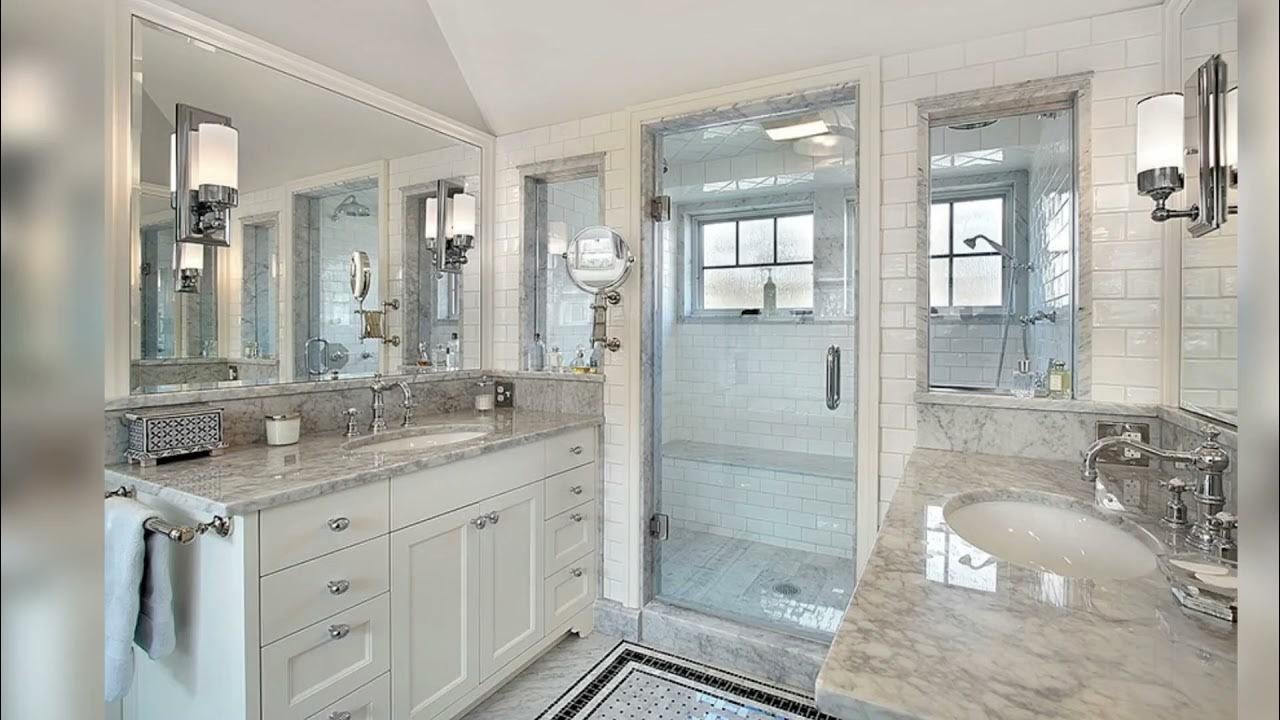
Mold on bathroom tiles is a common problem in many homes. Because bathrooms are constantly exposed to moisture, humidity, and poor ventilation, mold can develop quickly on tile surfaces and grout lines. Besides making your bathroom look dirty, mold can also affect indoor air quality and damage grout over time.
The good news is that learning how to clean mold from tiles safely is simple when you use the right cleaning methods and take proper safety precautions. With regular maintenance and moisture control, you can keep your bathroom clean, fresh, and mold-free.
Why Does Mold Grow on Bathroom Tiles?
Mold thrives in damp, warm environments, making bathrooms the ideal place for growth. Steam from hot showers, standing water, soap residue, and limited airflow create the perfect conditions for mold spores to multiply.
Although ceramic and porcelain tiles resist moisture well, grout is porous and easily absorbs water. This makes grout lines one of the first places where mold begins to appear.
What Safety Tips Should We Follow Before Cleaning Mold?
- Before starting the cleaning process, protect yourself from tile mold cleaning spores and cleaning chemicals.
- Wear rubber gloves to protect your hands.
- Use safety glasses if you’re cleaning overhead areas.
- Wear a face mask if you’re dealing with a large amount of mold.
Use bathroom exhaust fans or open windows to ventilate. Never mix vinegar or other household cleaners with bleach because they can create harmful fumes. These measures will create a safe, effective tile mold cleaning.

What Are The Safe Ways To Clean Tiles?
Mold can be removed from your tiles in an effective way using a few regular household products.
- White vinegar: One natural cleaner is white vinegar; you can just spray the undiluted stuff right onto the affected patch. Leave for 20 minutes and then scrub gently with a soft brush. Rinse with warm water.
- Baking soda: Make a paste of baking soda and apply it to the tile mold cleaning. Gently scrub it in, wash well. And, also, baking soda is good for those nasty odors that stay around.
- Hydrogen Peroxide: Hydrogen peroxide is great for dealing with mold and stubborn stains. Rub on the mold, wait a bit, scrub and rinse.
- Commercial Mold Cleaners: If the mold is large or has spread, a store-bought tile mold cleaning and grout cleaner may clean faster. Always follow the manufacturer’s instructions and ensure the room is well ventilated while using these products.
Step-by-Step Guide to Cleaning Mold From Tiles
Cleaning mold doesn’t require complicated tools. Following a simple process can deliver excellent results.
Start by removing toiletries and wiping away loose dirt from the tile surface.
Wipe down the moldy area, spread the solution generously over the area, and allow it to sit for 15-20 minutes.
Scrub the area using a soft-bristle brush or an old toothbrush, especially the grout lines.
Once demoulded, wash the tile mold cleaning with clean water and use a clean towel to dry the entire surface of the tile. Thoroughly drying the space will further help prevent the mold from coming back.
How To Prevent The Recurrence of Mold?
Mold removal is just the first step, while preventing future mold growth is equally important. Use an exhaust fan in bathrooms when using the bathroom. Open windows to allow fresh air to circulate. Take care not to leave shower walls wet from a shower, and repair any leaking pipes as soon as possible. The bathroom should also be kept clean enough to prevent the accumulation of mold again.
When to Call A Professional?
If the mold spots are small, it is usually possible to safely clean them at home. However, when mold continues to reappear following regular cleaning or is found in a large quantity, then there may be a moisture problem.
Recurring mold growth can happen because of hidden plumbing leaks, damaged grout, or water that gets stuck behind the tiles for a while. If these things do happen, then it’s best to contact a professional cleaning or restoration company just to check what’s going on and also how to prevent it for real.

Final Thoughts
Once you understand how to safely deal with mold on tiles, you’re basically helping protect your bathroom and the overall safety of your showers. Regular-style cleaners, like hydrogen peroxide, white vinegar, and baking soda, remove mold from tile mold cleaning and grout without messing up.
The best way to stop mold from coming back is to maintain it, make sure the space stays well-ventilated, and keep everything dry. A bathroom that’s dry and well-ventilated ensures cleaner tiles, less stuffy air in the room, and a lasting appearance.
Frequently Asked Questions
Does vinegar get rid of mold on bathroom tiles?
Absolutely. White vinegar is a natural cleaner that is an effective mold killer on tile mold cleaning and grout.
Is bleach the best solution to remove mold?
Using bleach will not destroy mold in the pores of the grout, but will help to remove surface stains.
How often should we clean bathroom tiles?
Cleaning bathroom tiles about once a week is a good habit so the tiles don’t start collecting mold, sticky soap film, and mildew over time.
What makes mold grow again?
If you keep dealing with the same mold problem, it’s usually tied to moisture that never really leaves, like from poor ventilation, hidden plumbing leaks, or damp grout.
How to prevent the growth of mold?
Don’t let water build up in bathrooms, install an exhaust fan, clean your bathrooms more often, and seal grout lines once a year to stop any absorption of water and mold.